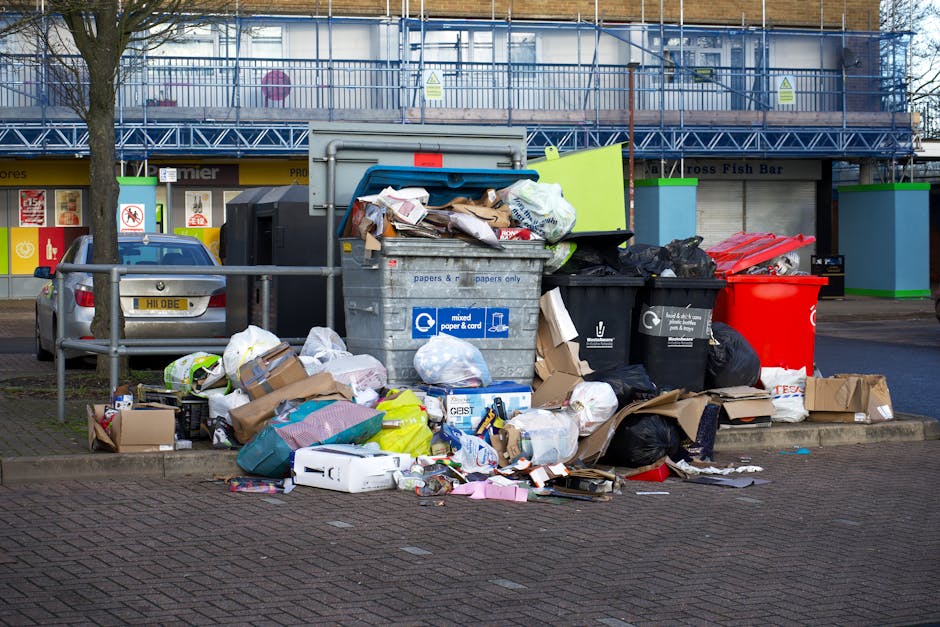
Rubbish collection tips for W3 Acton estates West London
If you live or work around W3 Acton estates in West London, rubbish can build up faster than you expect. One week it is a new sofa, a few bags from a flat clear-out, maybe some packaging after a delivery, and suddenly the communal bin area starts looking full, messy, and a bit stressed-out. These rubbish collection tips for W3 Acton estates West London are designed to help you keep on top of waste without creating hassle for neighbours, caretakers, or management teams.
The aim here is simple: help you clear rubbish sensibly, avoid the common mistakes that cause complaints, and understand when a routine collection is enough and when a more complete rubbish removal or waste clearance service makes more sense. To be fair, most problems in estates are not about huge volumes. They are about timing, sorting, access, and leaving things in the wrong place. Get those right and life gets a lot easier.
Below you will find practical advice for flats, maisonettes, managed estates, and busy household situations across Acton and the wider West London area. No fluff. Just the stuff that actually helps.
Table of Contents
- Why rubbish collection in W3 Acton estates matters
- How rubbish collection works in estate settings
- Key benefits and practical advantages
- Who this is for and when it makes sense
- Step-by-step guidance
- Expert tips for better results
- Common mistakes to avoid
- Tools, resources and recommendations
- Law, compliance, standards and best practice
- Options, methods and comparison table
- Case study or real-world example
- Practical checklist
- Conclusion
- Frequently asked questions
Why Rubbish collection tips for W3 Acton estates West London Matters
Estate living changes the whole rubbish picture. You are not just thinking about your own front door. You are sharing bin stores, access routes, lifts, stairwells, courtyards, and sometimes limited parking. One misplaced item can affect everyone. That is why rubbish collection tips for W3 Acton estates West London matter so much: they help keep shared spaces usable, cleaner, and less frustrating.
In a busy estate, waste that is left out too early can attract birds, foxes, or just general mess. Bags split. Cardboard gets damp. Food waste starts smelling. And once a bin store looks untidy, the problem tends to multiply. People see one item and think, "Well, I'll leave mine there too." Suddenly the space is no longer working as it should.
There is also a neighbourly side to this. In a block of flats or a managed estate, rubbish habits are noticeable. If one resident repeatedly blocks access or dumps bulky items beside the bins, it creates tension very quickly. A sensible routine avoids that. It is not glamorous, but it does keep the peace.
If you are dealing with a bigger clear-out, such as after moving home, refurbishing a flat, or clearing a garage or shed, you may want to combine day-to-day collection habits with a more structured service such as home clearance, flat clearance, or house clearance. That usually saves time and avoids overloading communal bins.
How Rubbish collection tips for W3 Acton estates West London Works
At estate level, rubbish collection usually depends on a few moving parts: what type of waste you have, where it needs to go, how often it is collected, and whether bulky items need a separate pickup. The process sounds simple, but the details matter more than people think.
For regular household rubbish, the usual flow is:
- Sort waste into the right stream where possible: general waste, recycling, food waste, and bulky items.
- Store rubbish securely inside your flat or designated bin area until collection day.
- Place items in the correct containers or collection point.
- Keep access routes clear for residents, caretakers, and collection crews.
- Move oversized waste separately instead of squeezing it into shared bins.
In a more practical sense, this means not waiting until the hall cupboard is packed full of bags before you act. If you have a sofa, broken shelf, or a pile of packaging after a home project, it is usually better to arrange a proper pickup through a specialist service such as rubbish collection or waste collection. Those services are especially useful where access is awkward or the estate rules are strict.
Bulky waste is the part that trips people up most. A few items may not feel like much, but on an estate staircase or in a lift lobby, even one large chair can become a blockage. That is where targeted services such as furniture disposal and sofa removal can be a cleaner solution than trying to improvise.
In other words: collection works best when the waste is prepared properly before anyone turns up. That little bit of planning pays off.
Key Benefits and Practical Advantages
Good rubbish collection habits do more than keep the estate tidy. They make daily life feel calmer. And let's face it, that matters more than we admit.
- Cleaner shared spaces: bin stores, pavements, and entrances stay easier to use and less unpleasant.
- Fewer complaints: neighbours and building managers are less likely to report problems or chase residents.
- Better hygiene: proper waste handling helps reduce odours, pests, and spillages.
- Safer access: stairwells, lifts, and walkways stay clear for people who need them.
- Less stress on collection day: when rubbish is sorted and ready, the whole process is quicker.
- Better use of professional services: if you need extra help, the job is smaller, easier, and often more efficient.
There is also a hidden benefit that often gets missed: well-managed rubbish is easier to discuss with a landlord, agent, or estate office if a problem arises. If you can show that waste has been stored properly and collection arrangements are sensible, conversations tend to go much more smoothly.
And when you need to scale up, it helps to know the difference between a simple pick-up and a more comprehensive service. Some residents only need waste taken away once. Others need support after a renovation, a tenancy change, or a long overdue clear-out. In those cases, rubbish clearance or waste removal may be the more practical route.
Who This Is For and When It Makes Sense
These tips are useful for a wide mix of people living or working in and around W3 Acton estates. If any of the situations below sound familiar, you are in the right place.
- Flat residents: especially if you rely on communal bins or have limited storage indoors.
- Families in managed estates: where waste builds up quickly from everyday life, shopping, and deliveries.
- Landlords and letting agents: who need to leave a property tidy between tenancies.
- Estate managers and caretakers: who have to keep shared areas safe and usable.
- Homeowners with side access or small gardens: where old furniture, cuttings, or DIY waste can pile up.
- Small businesses operating near residential blocks: where waste handling needs to stay discreet and compliant.
It also makes sense whenever the waste is not standard household rubbish. If you have building offcuts, old cabinets, office clutter, or garden debris, regular bin routines are rarely the best answer. In those situations, services like builders waste, office clearance, or garden clearance are much more appropriate.
Sometimes the clue is simple: if you are wondering, "Can this really go in the estate bins?" the answer is probably no. That is usually your sign to step back and plan properly.
Step-by-Step Guidance
Here is a straightforward way to manage waste around W3 Acton estates without turning collection day into a mini drama.
1. Identify the type of rubbish first
Start with the basics. Is it household rubbish, recyclable cardboard, food waste, old furniture, garden waste, or DIY debris? Different waste streams should not be mixed. If you do mix them, you may create extra mess and make the job harder for whoever is collecting it.
2. Separate bulky items from everyday bags
Bulky items should be treated differently from bin bags. A broken wardrobe, mattress, or old sofa can block storage areas and often needs a dedicated pickup. If the item is heavy, awkward, or dirty, do not try to "just put it by the bins" and hope for the best. That route rarely ends well.
3. Check estate rules or building instructions
Many managed estates have specific rules about where to place waste, when collections happen, and what cannot be left in communal areas. If you are unsure, ask the managing agent or caretaker before moving anything. A two-minute check can save a lot of back-and-forth later.
4. Prepare waste so it can be lifted safely
Use sealed bags for general waste. Flatten cardboard. Tie loose materials together where appropriate. Remove sharp edges if you can do so safely. This is especially useful if you are arranging a professional collection and want things handled quickly and cleanly.
5. Keep access routes open
On estates, access is half the battle. Lifts, stairwells, shared landings, and parking bays can all become problems if waste is placed carelessly. Make sure the route from your flat to the collection point stays clear. You should be able to pass with a trolley, a bin, or a sack without having to do an awkward shuffle sideways. Nobody needs that.
6. Book specialist help when the job is too much for normal bins
If your waste is too much for communal bins, too heavy for one person, or too awkward to shift alone, book a proper collection. You might need waste disposal for mixed items, garage clearance for long-forgotten clutter, or garage clearance again if you have a deeply packed storage area that has quietly become a small universe of its own.
7. Confirm what happens after pickup
Before you finish, make sure you know where the waste is going and whether any items need special handling. Responsible operators should be able to explain how they separate reusable items, recyclable materials, and general refuse. That reassurance is worth having.
Expert Tips for Better Results
After enough estate clearances, a pattern starts to emerge. The jobs that go smoothly are rarely the lucky ones. They are the well-prepared ones.
Tip 1: Think in zones. Keep waste inside your home, then move it to a staging point, then to the collection point. That simple three-step habit reduces clutter in hallways and helps you stay organised.
Tip 2: Use one container for "goes out next." A small box or bag for items waiting to leave can stop random clutter from spreading across the flat. It sounds minor. It works.
Tip 3: Do not leave wet cardboard near bins. It gets heavy, tears easily, and creates more mess than people expect. Dry it indoors if possible, then flatten it before collection.
Tip 4: Separate reusable items early. Old furniture, decent shelves, or unwanted office pieces may be better handled by a service that can inspect and remove them efficiently. That is where furniture disposal and home clearance can really help.
Tip 5: Plan around the estate's rhythm. Early mornings, school runs, and bin day traffic all affect access. If possible, avoid moving large items at the busiest time. A quieter window makes everything easier.
Tip 6: Keep a little buffer space. If you wait until every bin is overflowing, you are already late. Build in a margin so you are not relying on luck, because luck with rubbish is not a great strategy.
Tip 7: Use services that fit the waste type. A business generating waste should not use a household routine. A renovation should not be handled like a normal tidy-up. For commercial or mixed-use needs, business waste can be the better fit, while renovation debris may need builders waste handling.
Common Mistakes to Avoid
Most rubbish collection issues in estate settings come from a handful of very avoidable mistakes. They are ordinary mistakes, really, but ordinary mistakes have a funny way of becoming everyone else's problem.
- Leaving waste too early: this can create smells, mess, and complaints before collection day even arrives.
- Blocking shared spaces: a bin left in a stairwell or by the lift is a safety and access issue.
- Mixing materials blindly: cardboard, food waste, and general rubbish should not all be thrown together without thought.
- Ignoring bulky items: old furniture and white goods often need separate arrangements.
- Underestimating access problems: narrow corridors, parking limits, and lift restrictions can turn a simple job into a long one.
- Assuming someone else will deal with it: on managed estates, this leads to the classic "it was there when I arrived" situation. Not ideal.
Another common mistake is forgetting that not every waste pile is just "rubbish." Some piles are a mix of old paperwork, broken hardware, textiles, and packaging. Those mixed loads are often better handled by a proper waste clearance service than by trying to force them into a standard bin routine.
Tools, Resources and Recommendations
You do not need fancy equipment to manage rubbish well on an estate, but a few basic tools make the process cleaner and safer.
- Heavy-duty bin bags: useful for general waste and mixed household rubbish.
- Reusable boxes or crates: good for keeping recyclables or small items sorted.
- Gloves: sensible for moving awkward items, especially if there are sharp edges or dirt.
- A sack truck or trolley: helpful for heavier bags or flat-pack boxes.
- Marker pen and tape: surprisingly handy for labelling items to be kept, donated, or removed.
- Measuring tape: useful when checking whether a bulky item will fit through a doorway or into a lift.
As for services, choose the one that matches the job instead of trying to make one service do everything. A sofa has different needs from a load of garden cuttings. A back room full of archive boxes is not the same as a single bin bag. For certain jobs, office clearance or garage clearance makes much more sense than generic waste removal.
If you are preparing for a larger clear-out, it can also help to look at house clearance or flat clearance options early. That way, you are not scrambling at the last minute while bags pile up by the front door. Been there, regretted that.
Law, Compliance, Standards, or Best Practice
Waste on estates is not just about tidiness. There is also a duty of care angle to think about. In the UK, waste should be handled responsibly, passed to appropriate carriers, and disposed of through proper channels. The exact rules depend on the type of waste and who produced it, so it is wise to avoid guessing.
For residents, the practical takeaway is straightforward:
- Do not leave waste where it creates hazards or blocks access.
- Do not dump items beside communal bins unless the estate specifically allows it.
- Do not mix hazardous or specialist waste with normal household rubbish.
- Do choose providers who can explain how they handle, transport, and dispose of waste.
For businesses, the standards are usually stricter. Mixed commercial waste, office furniture, and refurbishment debris may require more structured handling. If you are clearing a workspace, it is better to use a service designed for that setting, such as business waste or waste removal, rather than assuming a domestic bin arrangement will do the job.
Best practice also means being honest about what you have. If there are sharp items, damp materials, heavy furniture, or anything awkward to lift, say so upfront. That is not over-sharing. It helps everyone involved and avoids a messy surprise on the day.
Options, Methods, or Comparison Table
There is no single right way to manage rubbish in W3 Acton estates. The best option depends on volume, item type, urgency, and access. Here is a simple comparison to help you decide.
| Method | Best for | Pros | Watch-outs |
|---|---|---|---|
| Communal bin routine | Normal household waste and recycling | Convenient, low effort, familiar | Not suitable for bulky items or large clear-outs |
| Scheduled estate collection | Regular managed waste removal | Predictable, tidy, works well for shared spaces | Needs cooperation and good storage discipline |
| Specialist rubbish collection | Mixed loads, bulky items, awkward access | Flexible, quicker for larger jobs, less strain on residents | Requires booking and clear item details |
| Full clearance service | Moves, refurbishments, garage or property clear-outs | Efficient, removes multiple item types in one visit | May be more than you need for a small rubbish load |
If you are unsure, ask yourself one simple question: Am I dealing with everyday rubbish, or am I clearing items that the normal bin system was never meant to handle? That answer usually points you in the right direction.
Case Study or Real-World Example
Here is a realistic example from estate life, nothing dramatic, just the sort of thing that happens all the time.
A resident in a W3 Acton estate clears out a spare room over a weekend. At first it looks manageable: three bags, a small shelving unit, a lamp, and an old armchair. But by Sunday evening there are also flattened boxes, a broken bedside table, and a couple of loose bits of timber from a flat-pack job that never quite went smoothly. The communal bins are already half-full, and the lift is shared with other neighbours heading out for the evening.
Instead of pushing everything into the bin store, the resident separates what can go into regular household waste, keeps the cardboard dry and flat, and arranges a dedicated collection for the bulky items. The hall stays clear, there are no awkward trips through the stairwell with a chair wedged sideways, and the estate manager does not need to step in. Simple, but effective.
What made the difference? Planning. Not perfection, just planning.
If that same resident had also been emptying a cupboard full of old files, broken shelving, and office bits, a more suitable next step would have been home clearance or office clearance. The rule of thumb is easy: the more varied the waste, the more useful a specialist service becomes.
Practical Checklist
Use this quick checklist before you move anything to the estate bins or book a collection.
- Have I identified the type of waste correctly?
- Can any of it be reused, donated, or recycled?
- Do I know the estate's bin or collection rules?
- Are there bulky items that need separate handling?
- Have I kept hallways, landings, and entrances clear?
- Is the waste sealed, tied, or packed safely?
- Do I need a service for special items such as a sofa, garden waste, or builders debris?
- Have I checked whether this is a household, business, or renovation-type load?
- Do I know when and where the pickup will happen?
- Have I confirmed the provider can handle the waste responsibly?
That last one matters more than people think. Good waste handling is not only about convenience. It is about confidence that the mess is actually being dealt with properly.
Conclusion
Rubbish collection in W3 Acton estates is easiest when you treat it as a small system rather than a last-minute chore. Sort waste early, keep shared areas clear, use the right collection method for the right type of rubbish, and call in specialist help when the job moves beyond normal household bins. Those simple habits make a real difference in day-to-day estate life.
Whether you are clearing a flat, shifting a sofa, dealing with garden waste, or helping a tenant leave a property tidy, the best approach is usually the calm one. A bit of order now saves a lot of awkwardness later. Truth be told, that is half the battle in London living.
Get a free quote today and see how much you can save.
If you need help beyond the bins, the right service can take the pressure off quickly and leave you with a cleaner space, a clearer head, and one less thing to chase after on a busy week.
Frequently Asked Questions
What is the best way to handle rubbish on W3 Acton estates?
The best way is to separate waste early, use estate bins correctly, keep shared areas clear, and book a specialist collection for bulky or awkward items. That mix keeps things tidy without creating problems for neighbours or management.
Can I leave rubbish beside communal bins if they are full?
Usually, no. Leaving waste beside bins can create mess, block access, and lead to complaints. If the bins are full, it is better to wait, report the issue to the estate team, or arrange a proper collection.
How do I deal with a sofa or large chair on an estate?
Large furniture is best handled through a dedicated service such as sofa removal or broader furniture disposal. Bulky items can be awkward in lifts and stairwells, so planning matters.
What should I do with builders waste from a flat renovation?
Builders debris should not go into normal communal bins. Use a service designed for renovation materials, such as builders waste, so it is handled safely and appropriately.
Is a home clearance service useful for flat residents?
Yes, especially if you are clearing multiple rooms, leaving a tenancy, or dealing with mixed items. Flat clearance and home clearance are often much easier than trying to move everything through communal bins.
How can I stop rubbish smells in a shared bin area?
Use sealed bags, avoid leaving food waste out too long, flatten cardboard, and make sure bins are not overfilled. If smells persist, the issue may be collection timing or overflow rather than just resident behaviour.
Do I need a separate service for office waste?
If the waste comes from a workplace, yes, a dedicated approach is usually better. Business waste or office clearance is more suitable for commercial items, files, and equipment.
What happens if I mix different waste types together?
Mixed loads can be harder to sort, more expensive to handle, and potentially non-compliant depending on the items involved. It is usually better to separate waste as much as you can before collection.
Can garden waste be collected from an estate property?
Yes, but it should be handled separately from general rubbish where possible. A dedicated garden clearance service is usually the cleaner option for branches, soil bags, cuttings, and old outdoor items.
How do I choose between rubbish removal and waste disposal?
The terms are often used closely together, but the right choice depends on your load. If you want items taken away quickly, rubbish removal works well. If you need a broader approach to handling and sorting different materials, waste disposal may be more fitting.
What if I have a lot of clutter in a garage or storage area?
For packed storage spaces, a targeted garage clearance can be much more efficient than trying to move everything in stages yourself. It also reduces the chance of blocking communal areas with piles of things "for later."
Is it worth booking a full waste clearance service?
Yes, if you have a mixed or large load and want it handled in one go. Waste clearance is often the most practical option when the rubbish is too much for standard collection routines.
What should I ask before booking a collection?
Ask what types of waste they take, whether bulky items are included, how access is managed, and how the waste is processed afterwards. Clear answers up front usually mean fewer surprises later.